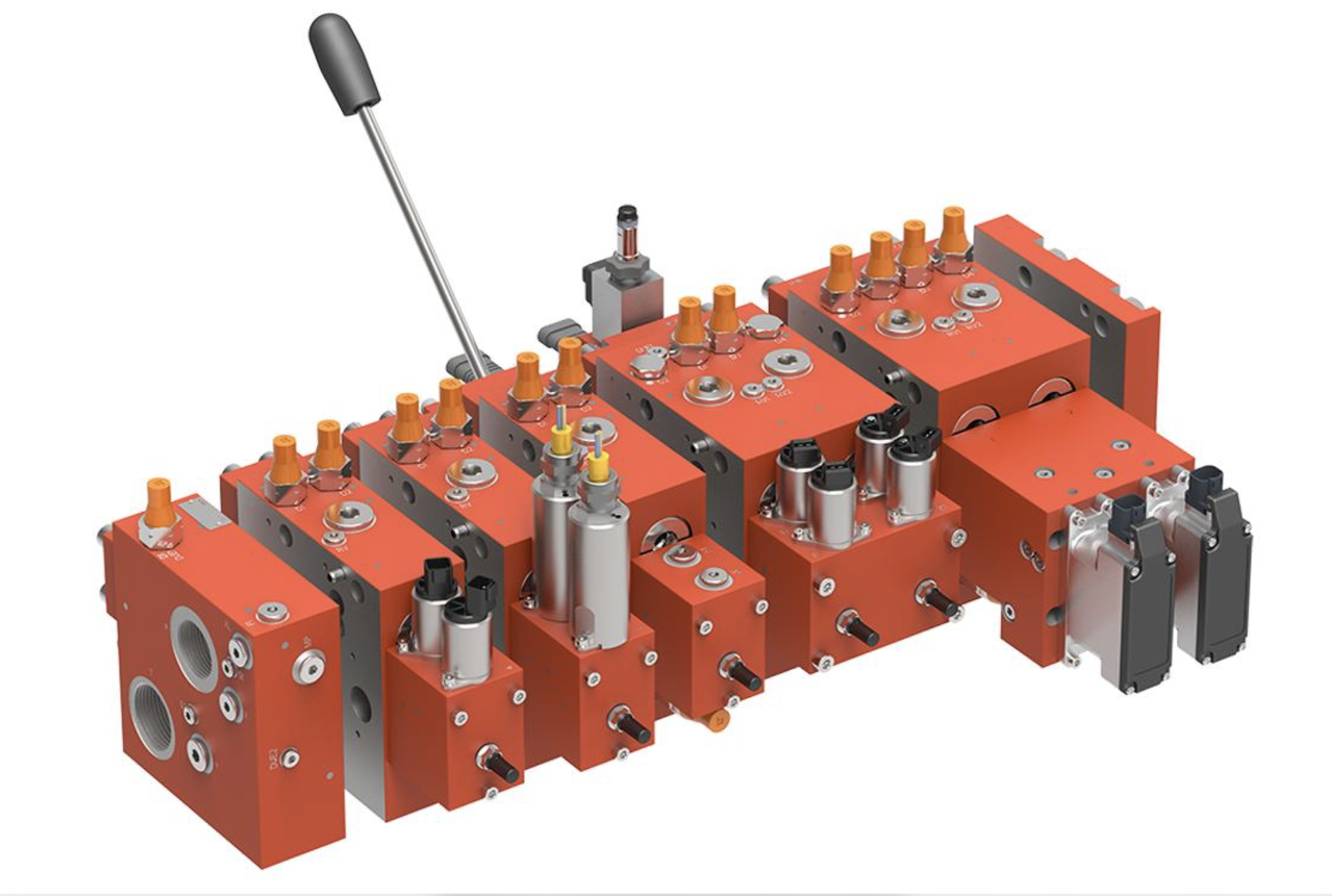
Transforming global marketing capabilities to connect technological expertise, customer value, and commercial growth.
Strategic interventions in leadership, communication, and workplace design.
Global Marketing Strategy
Developing an integrated marketing approach across international markets, aligning global priorities with local commercial requirements.
Digital
Transformation
Advancing digital marketing infrastructure, including website, e-commerce, customer data, and marketing technology integration.
Solution-Based Positioning
Supporting the transition from component-oriented communication towards integrated hydraulic solutions and application-driven customer engagement.
Organisational Alignment
Strengthening collaboration between marketing, sales, product management, and business development through clearer processes and measurable objectives.

Introduction
Bucher Hydraulics is an internationally operating manufacturer of hydraulic components and systems, serving a wide range of industrial and mobile applications. As the company increasingly focuses on integrated solutions, marketing plays an important role in translating technological capabilities into meaningful customer value.
As Head of Global Marketing & Communications, my responsibility is to advance the organisation’s marketing capabilities, strengthen its commercial contribution, and establish a more integrated approach across global and local teams.
Strategic Direction and Transformation
A central aspect of my work involves aligning marketing strategy with the company’s broader business objectives. This includes developing a consistent global brand and marketing approach while recognising the distinct requirements of regional markets, customer segments, and distribution structures.
Particular emphasis is placed on supporting the transition towards solution-oriented positioning and strengthening the connection between technological innovation and customer needs.
Digital Capabilities and Commercial Integration
Another focus is the development of the organisation’s digital marketing infrastructure, connecting website, e-commerce, customer information, and marketing technologies into a more coherent ecosystem.
Beyond technology, this requires closer cooperation between marketing and commercial functions, improved planning processes, and clearer performance indicators that connect marketing activities to measurable business objectives.
Outcomes and Reflections
The ongoing transformation illustrates the challenges of developing modern marketing capabilities within an established industrial organisation. Sustainable progress requires more than introducing new platforms or campaigns; it depends on aligning organisational structures, processes, technological capabilities, and strategic priorities.
My work focuses on building these foundations while strengthening marketing’s role as a strategic and commercially relevant business function.